Floral Dragon Japanese Art Embroidery Review
As an experienced designer and embroidery product reviewer, I’ve tested countless machine embroidery designs over the years. When I first saw Floral Dragon Japanese Art, it immediately caught my eye—not just for its aesthetic appeal, but for the potential it holds in real-world embroidery projects. This design blends traditional Japanese art with a modern floral twist, making it a versatile choice for a variety of handmade and commercial uses.
A First Look at Floral Dragon Japanese Art
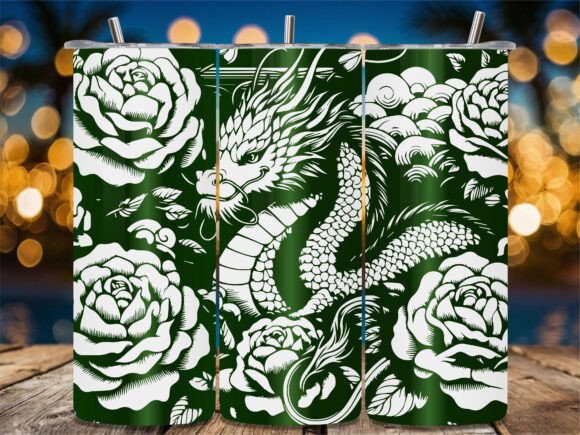
The moment I opened the digital embroidery file, I was struck by the balance of detail and simplicity. The dragon motif is stylized yet expressive, with flowing lines that suggest movement and energy. The floral elements are delicate but not overly intricate, which makes them feel both elegant and approachable. It’s a design that feels like it belongs on a custom apparel piece or a boutique product—something that adds character without overwhelming the viewer.
The mood created by this design is serene yet powerful. The dragon, traditionally a symbol of strength and wisdom in Japanese culture, is softened by the surrounding flowers, creating a sense of harmony. This duality makes it perfect for personalized gifts, nursery decor, or even holiday embroidery items that need to feel both meaningful and visually appealing.
Real-Life Use: A Custom Embroidered Tote Bag
Let’s imagine a scenario where I’m preparing a custom embroidered tote bag for a small shop. Floral Dragon Japanese Art would be a natural fit here. The design’s scale works well on larger surfaces, and its visual complexity doesn’t make it feel cluttered. On a tote bag, it could serve as a statement piece—especially if paired with a complementary thread color.
I’d start by testing the embroidery file on scrap fabric to see how the stitch density handles different textures. Since this is a full-wrap laser file, I’d also consider whether it translates well into a machine embroidery format. While the original description mentions laser engraving, I’d recommend checking the compatibility with standard embroidery machines before proceeding.
On a tote bag made from medium-weight cotton, the design would look clean and crisp. However, if using a stretchy fabric like canvas, I’d advise using a stabilizer to prevent distortion. The dragon’s curves might require some adjustment in hoop size, especially if I wanted to add more detail around the edges.
Where to Use Floral Dragon Japanese Art with Caution
While Floral Dragon Japanese Art is a strong design, there are certain scenarios where it may not shine as brightly. For instance, on small hoop sizes, the fine details of the dragon’s features might get lost or appear too busy. Similarly, on dark fabrics, the contrast between the design and background could be less pronounced unless the right thread colors are selected.
Another consideration is using this design on curved surfaces, such as caps or hats. The dragon’s elongated form may not translate well without adjustments. If I were to use it on a cap, I’d likely need to simplify the layout or reposition key elements to maintain clarity and balance.
For textured fabrics or thin materials, I’d recommend double-checking the stitch density and possibly reducing it slightly to avoid puckering. And while the design has a timeless quality, I’d avoid using it on products that need frequent washing unless the fabric and thread are known to withstand repeated use.
Visual Appeal and Practical Value
The visual appeal of Floral Dragon Japanese Art lies in its ability to blend tradition with modernity. It can elevate a handmade product from simple to sophisticated. Whether it’s a custom apparel piece for a client or a small shop product for Etsy, this design brings a unique touch that sets it apart from generic motifs.
From a craft business perspective, this design could help build brand consistency. Its Japanese-inspired theme is versatile enough to work across various design assets, from embroidered patches to printable mockups. It also has the potential to increase customer trust when used on personalized gifts or commercial embroidery projects.
However, it’s important to ensure that the thread colors chosen complement the fabric and don’t overpower the design. Testing it in black and white mockups can also help determine whether the stitch density is appropriate for the intended fabric.
Embroidery Designer Notes
Before using Floral Dragon Japanese Art in any project, I’d recommend these practical steps:
- Test the design on scrap fabric to check how it stitches and looks in different lighting conditions.
- Review stitch density and adjust if necessary for the fabric type being used.
- Confirm hoop size and ensure the design fits comfortably within the working area.
- Check thread color contrast against your fabric to ensure visibility and visual impact.
- Inspect small details to make sure they remain clear after stitching.
- Use proper stabilizer for textured or stretchy fabrics to prevent distortion.
- Compare light and dark fabric backgrounds to determine the best thread options.
- Check licensing terms before selling finished products or digital versions of the design.
In conclusion, Floral Dragon Japanese Art is a thoughtful addition to any embroidery designer’s toolkit. It offers a unique blend of cultural inspiration and artistic expression that can enhance a wide range of embroidery projects. Whether you're an Etsy seller, craft fair vendor, or simply a hobbyist looking to expand your creative repertoire, this design is worth considering for your next handmade product.